The New Mexico Public Education Department has not produced a complete plan for educating at-risk students and has until late March to add more detail, a state judge ruled Monday.
Earlier this year, the plaintiffs in the years-long Yazzie/Martinez education equity case argued that PED’s court-ordered plan lacks key elements and asked to revise it themselves with their experts, at the agency’s expense. PED countered that their suggestions would make the plan “unworkably lengthy” and wouldn’t give the agency room to adjust as needed.
In his Monday order, First Judicial District Court Judge Matthew Wilson agreed with the plaintiffs’ core objection: The plan isn’t comprehensive, as he mandated last year. But he found it sets measurable goals and doesn’t need a detailed budget, since the court didn’t order one, and he rejected the plaintiffs’ revision request, writing it would likely overstep the court’s authority.
Instead, Wilson wrote, the court is “cautiously hopeful” PED can supplement the plan to comply with previous rulings.
The additions Wilson ordered are meant to fill in what’s missing from the plan so the court can ensure at-risk students receive the adequate education New Mexico’s constitution guarantees, and ultimately end the case.
Filed by parents and school districts in 2014, the Yazzie/Martinez case produced a landmark 2018 ruling that the state was violating the rights of Native students, low-income students, English learners and students with disabilities, who together make up a majority of public school students in New Mexico.
Plaintiffs returned to court in 2024, arguing the state hadn’t complied with previous court orders. Wilson agreed and ordered PED in May 2025 to develop a comprehensive remedial action plan.
PED delivered a document, Wilson wrote in his Monday order, that only addresses portions of previous court orders and doesn’t clearly show how its actions meet them.
He attached two charts his court prepared to lay out what’s missing.
The first checks the plan against 15 issues identified in the 2018 ruling, including too few dollars to train teachers and too few programs to support at-risk students. The plan, according to the chart, addresses seven issues, but only partially addresses five and doesn’t at all address three.
The second chart lists four injunctions — court orders requiring specific actions — issued in 2019 and checks whether PED’s plan responds to them. The chart shows that while the plan fully addressed two of the injunctions, it only partly addresses the other two: not saving money at the expense of students’ education and reforming how schools are funded and managed.
By March 26, PED has to explain in a supplement to the plan how it’s fixed or will fix each gap outlined in the charts and how the court can check that the work gets done. The agency also has to turn in a guide showing which issue each action is meant to solve.
In a statement Friday, PED said the court gave a “valuable roadmap that provides greater clarity to the department in its work. The Court said it is confident PED can complete the supplement, and we share that confidence. PED remains fully committed to delivering an excellent education for every New Mexico student, especially those the original case was brought to serve.”
The plaintiffs will have about a month to object after PED files the supplement.
Melissa Candelaria, an attorney on the Yazzie legal team and the education director for the New Mexico Center on Law and Poverty, said in a statement to New Mexico In Depth that they appreciate the court agreeing PED hasn’t complied. But, she added, they’re disappointed the court isn’t requiring involvement by the plaintiffs’ experts or additional input from families, school districts, tribes and the communities most affected.
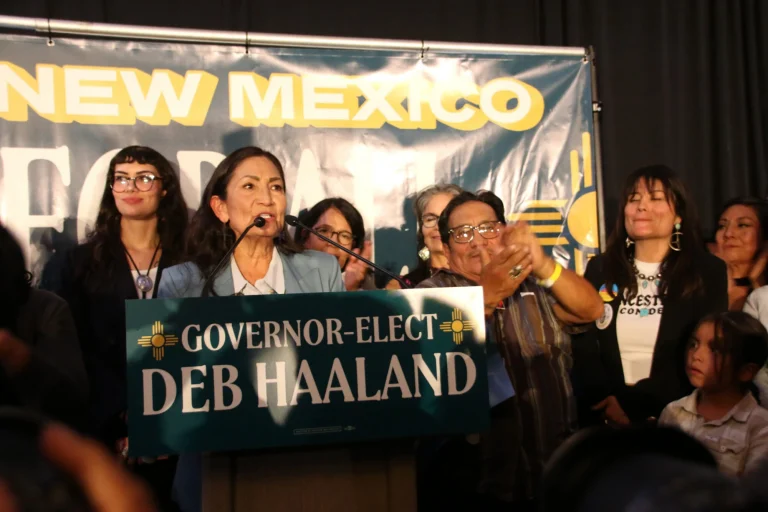
With Gov.-elect Deb Haaland set to take over Jan. 1, there will be a change in administration during the period Wilson gave PED to work on the additions.
Haaland, in a September interview with New Mexico In Depth, said she believes the plan falls short and that she would bring the plaintiffs and tribes back to the table.
“We are hopeful,” Candelaria wrote, “that the incoming administration and new PED leadership will approach this as an opportunity for meaningful change, with a plan that addresses the full scope of the State’s constitutional obligations and provides students with the resources, culturally and linguistically relevant instruction, programs, and support they need.”