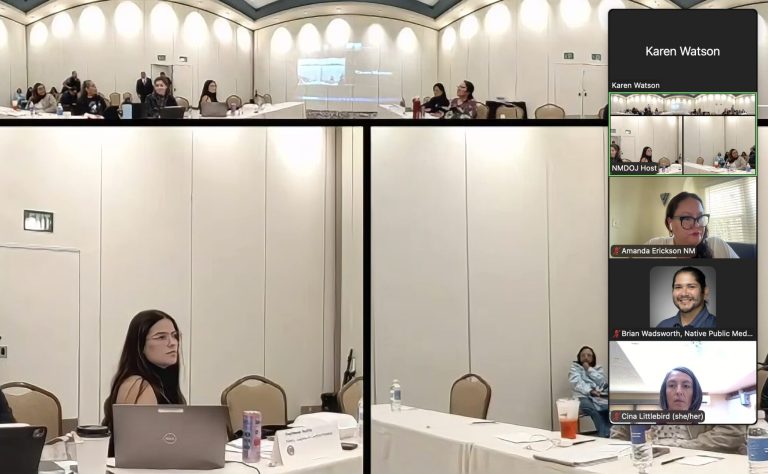
Prediction markets – online platforms where users earn or lose money by predicting outcomes of real-world events, from sports games to elections and economic indicators like inflation reports – are threatening the ability of tribes and states to decide how gambling works within their own borders, along with funding for essential services, a panel told lawmakers on New Mexico’s Indian Affairs Committee on Tuesday.
In New Mexico, 13 tribes generated $896 million in adjusted net win in fiscal year 2025, according to the New Mexico Gaming Control Board. (Adjusted net win is not net profit. It’s the revenue made from gaming machines minus the amount paid out in prizes won on machines and regulatory fees, and doesn’t include operating expenses.) During that same period, tribal gaming contributed over $151 million in total revenue to the state’s general fund.
“Tribes and states, we have the same interests here,” said Elizabeth Homer, regulatory counsel for the Indian Gaming Association.
One of the fears is that prediction markets will lead to people shifting their gaming from tribal casinos to prediction markets, reducing the amount of money tribes have to provide services for their citizens.
Federal law requires money tribes make from gaming be used for specific purposes, including economic development and tribal or local government services like education and housing.
“The revenue from gaming, we use that and we put that back into our communities,” Navajo Nation Council Delegate Eugenia Charles-Newton said. Prediction market revenue, meanwhile, flows to the companies, said Charles-Newton, who is chairwoman of the council’s gaming subcommittee.
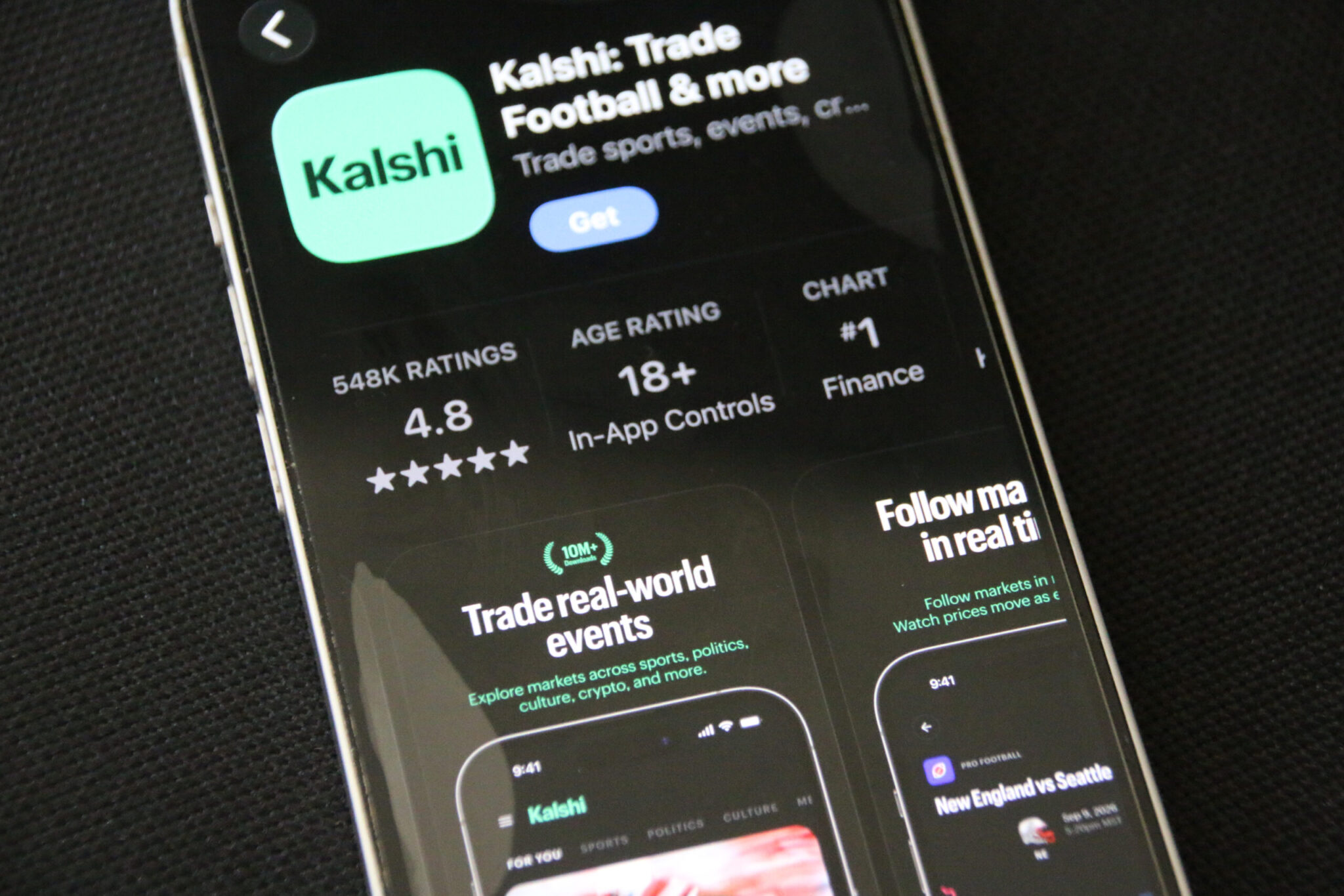
The combined monthly trading volume of the two leading prediction markets — Kalshi and Polymarket, both of which Donald Trump Jr. has a financial stake in — rose from about $890 million in July 2024 to $53 billion in July 2026, according to Pew Research Center.
Earlier this year, the Mescalero Apache Tribe and the pueblos of Pojoaque, Sandia and Isleta sued Kalshi, alleging its sports-related “event contracts” function as unlicensed sports betting happening on their lands in violation of their exclusive gaming rights, established by federal law and secured in agreements with the state. New Mexico Attorney General Raúl Torrez, in a separate suit filed in June, says Kalshi is offering online sports betting in violation of the state’s gaming framework.
Kalshi argues a federal commodities law puts it out of reach of both tribal and state gambling rules.
Federal courts have split on Kalshi’s argument. One federal appeals court sided with Kalshi against New Jersey — with that state asking the Supreme Court to review the case — while another sided with Nevada and two tribes California.
The Commodity Futures Trading Commission, a federal agency, has sued several states including New Mexico, arguing federal commodities law gives it exclusive jurisdiction over prediction markets.
Emiliano Aguirre, outside counsel to the Navajo Nation Gaming Enterprise, floated the idea of a state tax on prediction market earnings to try to disincentivize use, although Homer noted it’s still “at the conceptual level” and not an official recommendation.
Sen. Angel Charley, D-Acoma Pueblo, said she’s skeptical that it would work.
“I’m not in opposition to the idea and thinking more strategically about how we address this whatsoever. I don’t say this to mean that,” Charley said. “I just say, I know people who suffer from addiction will do what it takes to get that fix.”