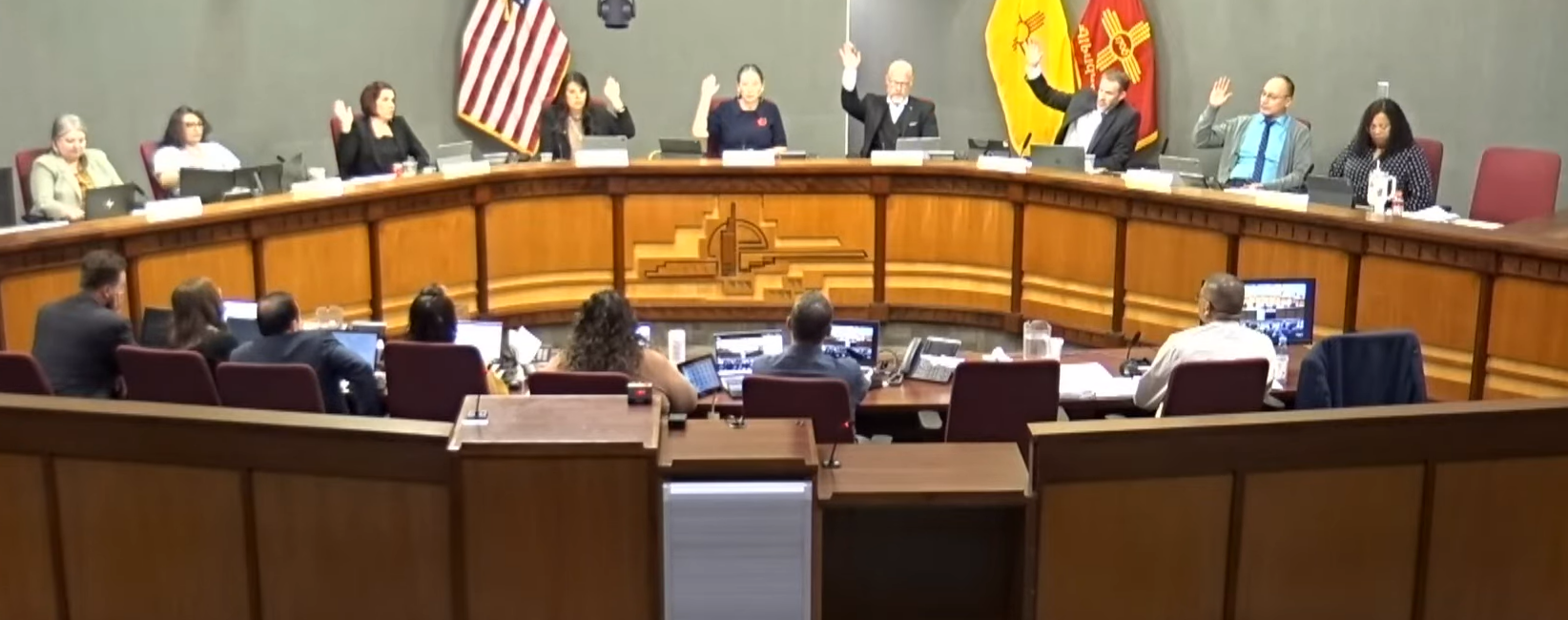
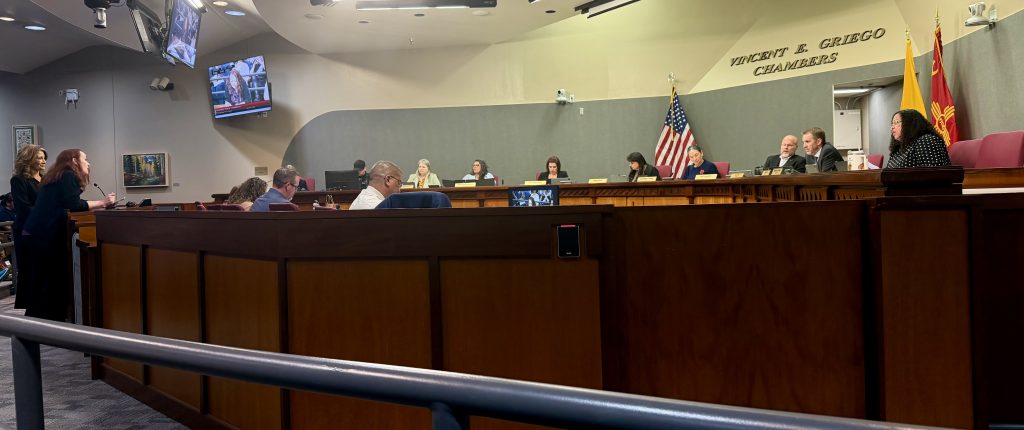
A bipartisan majority of the Albuquerque City Council rejected a ranked choice voting proposal May 6. Councilors and members of the public said the legislation, which would have given voters more autonomy, was confusing and unnecessarily complex.
“Keep it simple,” Retired Albuquerque resident Debbie Reynolds said. “We know how to vote. One person, one vote. It’s a simple process,” she said echoing comments by councilors. Reynolds said she supported Albuquerque’s current system, which features run-off elections.
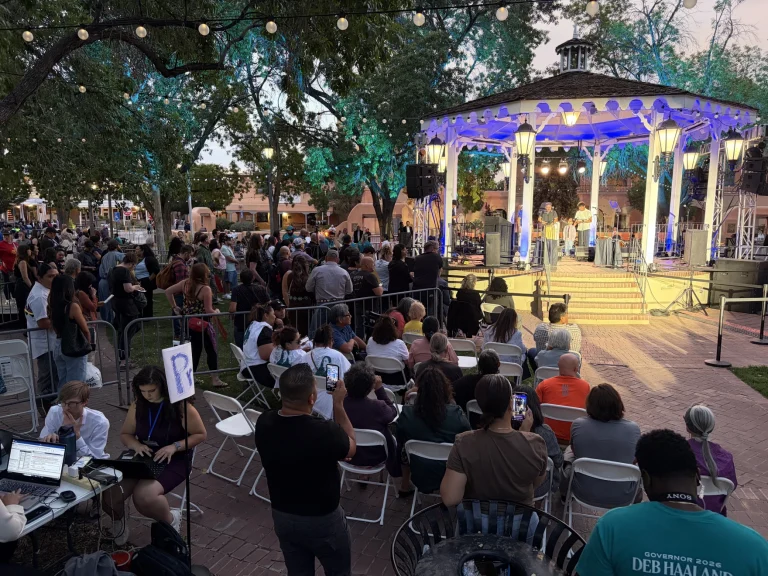
A majority of people who spoke during public comment—31 of 39—disagreed with Reynolds and the Council majority, arguing that ranked choice voting would be reduce the cost of elections, increase strategic voting and boost voter turnout.
But the Republican Party of New Mexico agreed with the Democrat-controlled Council, saying in a press release that ranked choice voting “creates confusion, delays results and erodes trust, especially among voters who already feel disconnected from the process.”
Creating confusion was among the most frequent gripes with the alternative electoral system.
District 5 City Councilor Dan Lewis repeatedly mentioned an article written by the Santa Fe New Mexican titled, “Nearly eight years later, ranked choice voting still causing confusion among electorate.”
“People don’t understand it,” Lewis said. “There’s still some confusion in Santa Fe.”
During the public comment period, poll volunteer Kathryn Simnacher agreed the process would confuse voters. “People…will not know how to [vote] when they walk in the door,” she said. “Each clerk is going to have to tell them how to do it, they’re going to have to walk them through it.”
In 2013, Albuquerque voters approved a requirement that candidates must earn at least 50% of the vote or face a runoff election between the two most popular candidates.
Ranked choice voting aims to eliminate these runoffs by having voters list their preferences on election day. It has already been implemented in Las Cruces and Santa Fe.
Under the current system, if a candidate gets more than 50% of first-choice votes, they win. If no one does, the candidate with the fewest votes is eliminated, making voters who picked that candidate have their ballots counted for their next choice. The process then repeats until someone has a majority of the votes.
Ranked choice voting “encourages greater voter participation and engagement by allowing voters to express their full preferences,” Starlyn Brown, president of The League of Women Voters of Central New Mexico, said during the public comment period.
Brown said ranked choice voting “encourages more candidates to run while promoting more constructive campaigns that appeal to a broader range of voters.”
But District 2 Councilor Joaquin Baca questioned the proposal, asking, “What is trying to be fixed here?”
“I think that that’s the correct way of doing it… and sometimes that leads to a run off,” he said.
Since 2013, Albuquerque has had a runoff during seven election years. The least expensive of those cost the city more than $350,000, while last year’s mayoral runoff cost an estimated $1.5 million to $1.8 million.
Supporters of ranked choice voting see these as redundant costs. “I can think of 1.8 million other ways we should spend $1.8 million,” one commenter said at the lectern.
But Baca said: “I don’t know if cost should be the basis for how we do elections.”
Ranked choice voting would also empower voters to cast a ballot for the candidate they truly prefer.
“In the past I have not voted for my true first choice because I wanted to make sure that a candidate who is at least acceptable to me would qualify for the runoff,” said Albuquerque resident Eleanor Walther.
A new system could help get more voters to the polls, supporters said. More than 5,000 fewer people at the polls During the 2025 Albuquerque mayoral runoff election, than in the general election.
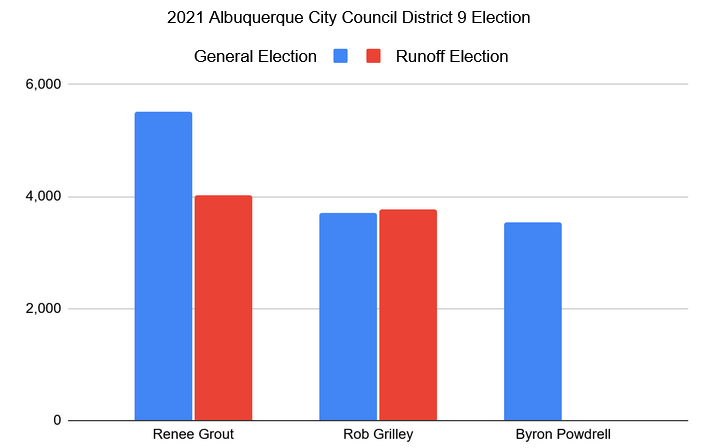
Other commenters told the council that runoff elections can produce winners who didn’t have majority support in the first round, and sometimes win with even fewer votes than they originally received, suggesting that runoffs may not reflect stronger or broader voter support.
Several commenters pointed out that runoff elections may exclude active military personnel because those serving overseas have less time to mail in their ballots, although the News Port was unable to verify that claim.
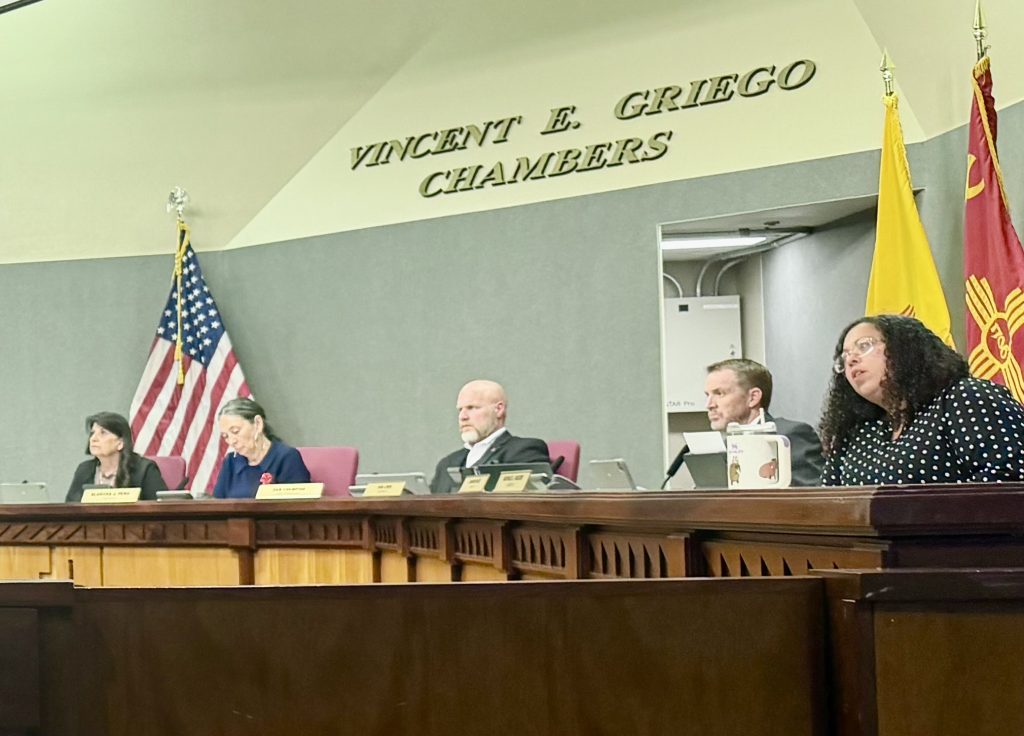
Walther said she was confused about the confusion. “I’m frankly insulted by the idea that Albuquerque voters aren’t smart enough to use ranked choice voting. How hard is it to answer ‘who is your first choice’ and ‘who is your second choice’ and so on?” she said.
Another speaker mentioned the fact that the city councilors themselves use ranked choice voting for internal decisions and showed a video of a 5-year-old using Legos to demonstrate their understanding of the process.
“Do you consider yourselves more intelligent than the people who elected you?” the speaker said? “Surely you don’t consider them less capable of understanding than a 5-year-old.”
Despite hours of discussion, the council ultimately sided with caution, leaving Albuquerque’s current election system unchanged.