By Bella Davis | New Mexico In Depth
New Mexico needs to establish more thorough regulations for uranium mining before it’s too late, opponents of resumed mining told state lawmakers Thursday. Two lawmakers agreed, one of whom argued for a moratorium until state regulation catches up.
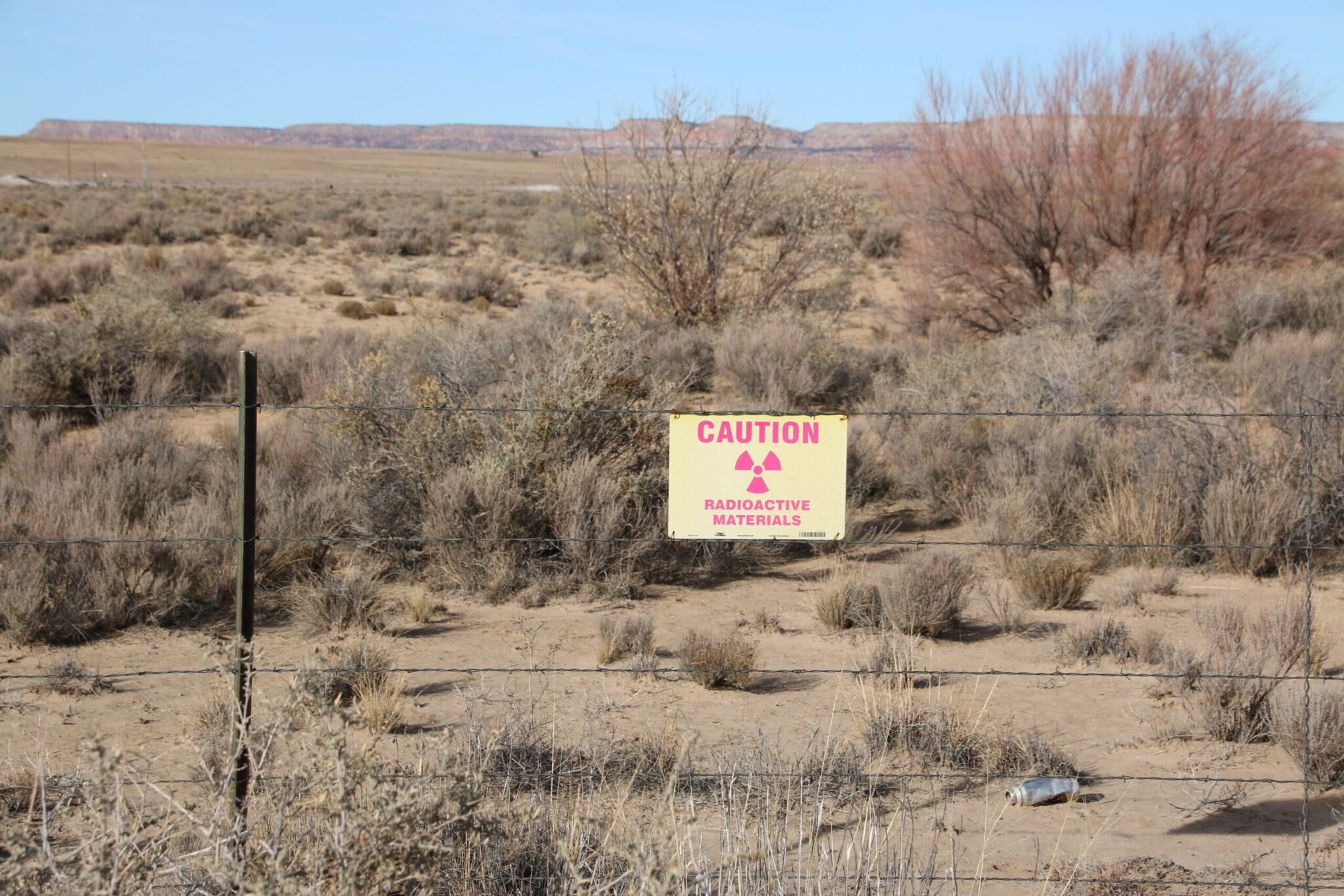
A handful of proposed uranium mines and exploratory projects are making their way through the state and federal permitting processes, primarily in the Grants mineral belt — the same region that fueled the manufacture of nuclear weapons during the Cold War.
Uranium mining during that period left widespread contamination of water and soil and hundreds of mines yet to be cleaned up. Exposure to uranium and other heavy metals released by uranium mining is associated with chronic diseases including autoimmune disorders and kidney disease. And research has shown Navajo men who worked in the mines have an excess risk of lung cancer.
“The Legislature is surely aware that, given that we are on the brink of this new era of production, that we are not likely to get this opportunity again to move before the proposed projects get fully underway,” said Daria Roithmayr, a professor of law at the University of Colorado who lives along the Rio Chama, where she’s an acequia member.
A Canadian company applied earlier this year for federal approval to conduct exploratory drilling in the Chama Watershed.
“We’re very concerned as a community about our soil, about our waters, about our humans, our residents, our livestock, and all the other things that could be impacted by this drilling,” said Max Martinez, a rancher from Cebolla in Rio Arriba County who serves on the Upper Chama Soil and Water Conservation District board.
Leona Morgan (Diné), a longtime anti-nuclear activist, told lawmakers Thursday’s panelists and others are forming a coalition in an effort to prevent renewed uranium mining. Among their biggest fears is the potential contamination of both surface water and groundwater.
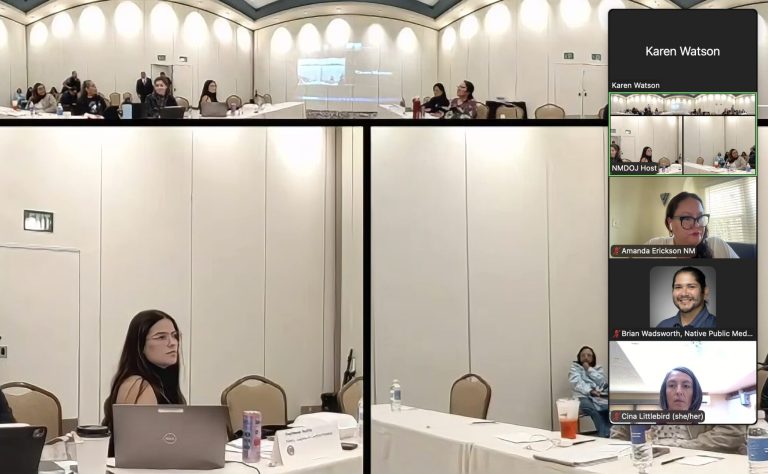
Their presentation was well-received by the New Mexico Legislature’s Radioactive and Hazardous Materials Committee.
“I think it is responsible and incumbent on us to put forward a moratorium on uranium mining until we understand the risk of the new technologies, until we can get the regulation framework to reflect the needs of our communities, the needs of our economic base, and not the needs of industry,” said Sen. Angel Charley (Laguna/Zuni/Diné), D-Acoma.
Virginia has maintained a moratorium on uranium mining since 1982. A mining company challenged it in court about a decade ago, and the case eventually made it to the U.S. Supreme Court, where the ban was upheld in a 2019 decision.
Roithmayr described the state’s regulatory framework as fragmented. For example, she said, New Mexico doesn’t have a statute on the books specifically for what’s called in-situ leach mining, in which uranium is dissolved underground and then pumped to the surface.
The state should also weigh regulations including longer monitoring periods after mining ceases, Roithmayr said.
“I totally agree that we need to be aggressive in coming up with a regulatory regime to protect us moving forward,” said Sen. Jeff Steinborn, a Democrat from Las Cruces who for the past several sessions has pushed for funding to clean up abandoned mines.
Next year’s 60-day session, which is about five months out, is the time to act, Steinborn said, to which Roithmayr said they’ve begun drafting a proposal. Steinborn said a moratorium is one idea the coalition could pursue.
Bella Davis is an Indigenous affairs reporter at New Mexico In Depth. She is a Yurok tribal member who was born in Eureka, California and grew up in central New Mexico. In 2025, she helped launch a collaborative series, Indigenously Positive, from her newsroom and NMPBS. She previously reported for the Daily Lobo and was a New Mexico Local News Fellow for the Santa Fe Reporter. She graduated from the University of New Mexico in 2020 with a bachelor’s degree in journalism & mass communications.
This story was originally published by New Mexico In Depth.