The New Mexico House of Representatives will have a new face representing District 41 following this year’s Democratic primary between a long-time acequia commissioner and a former longtime New Mexico state representative.
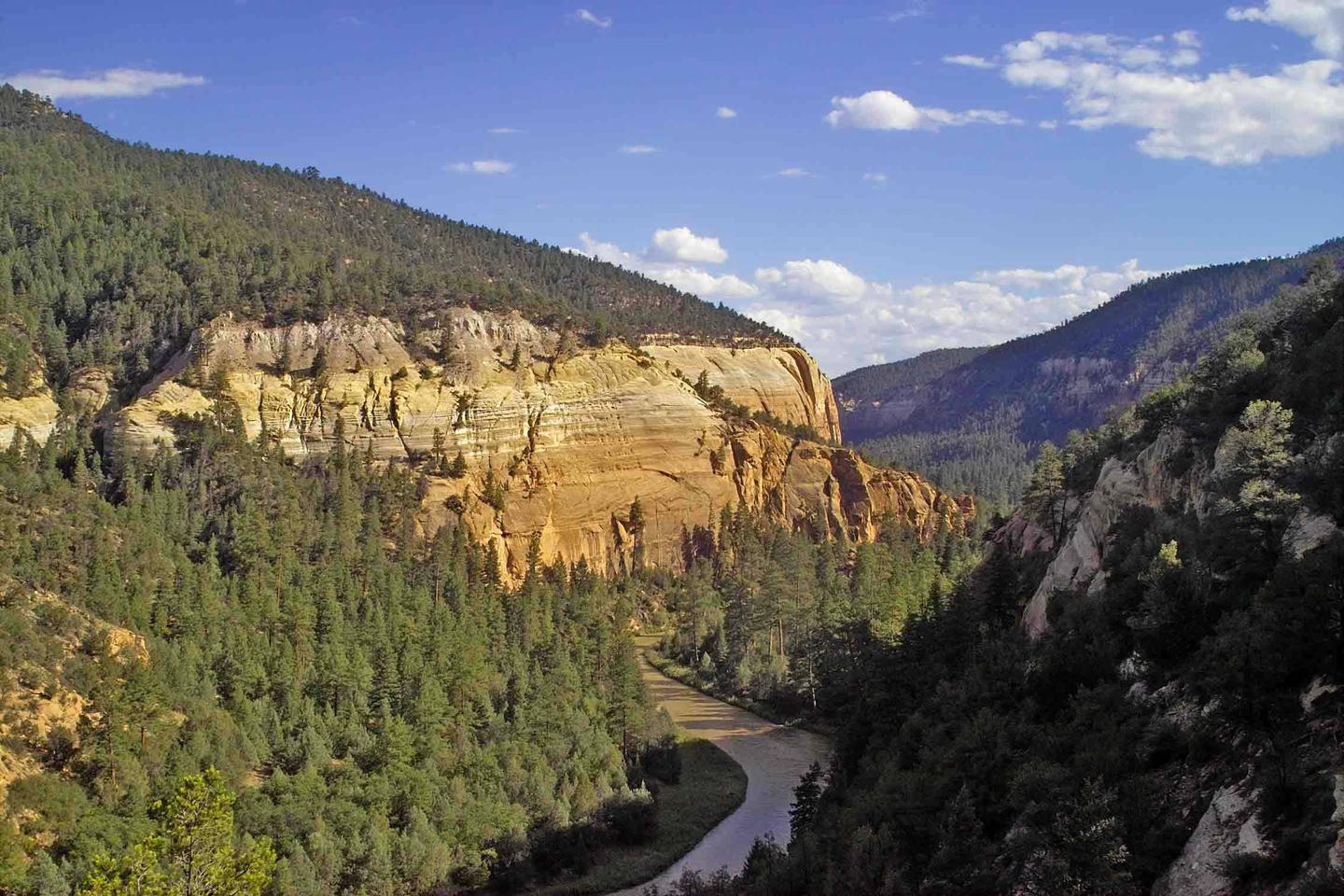
HD41 encompasses rural communities in portions of Rio Arriba, Sandoval, Santa Fe and Taos counties, and has been represented by Rep. Susan K. Herrera (D-Embudo) since 2019. Herrera announced plans to retire during the most recent legislative session.
Yolanda Jaramillo brings her acequia advocacy work to the race, as well as experience teaching in high school and higher education settings. Debbie Rodella represented HD41 for more than 25 years before losing to Herrera in 2018. The winner of the primary will not face a Republican challenger in the general election (deadlines to register as an Independent, minor party or write-in candidate follow the primary election).
Source NM posed several questions to both candidates about their races. Their answers have been edited for clarity and concision.
Yolanda Jaramillo
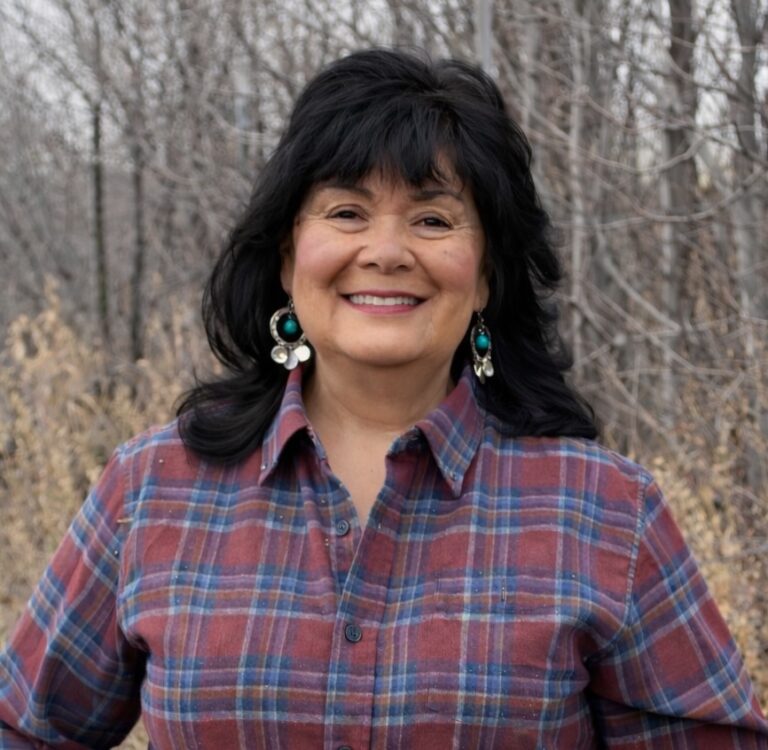
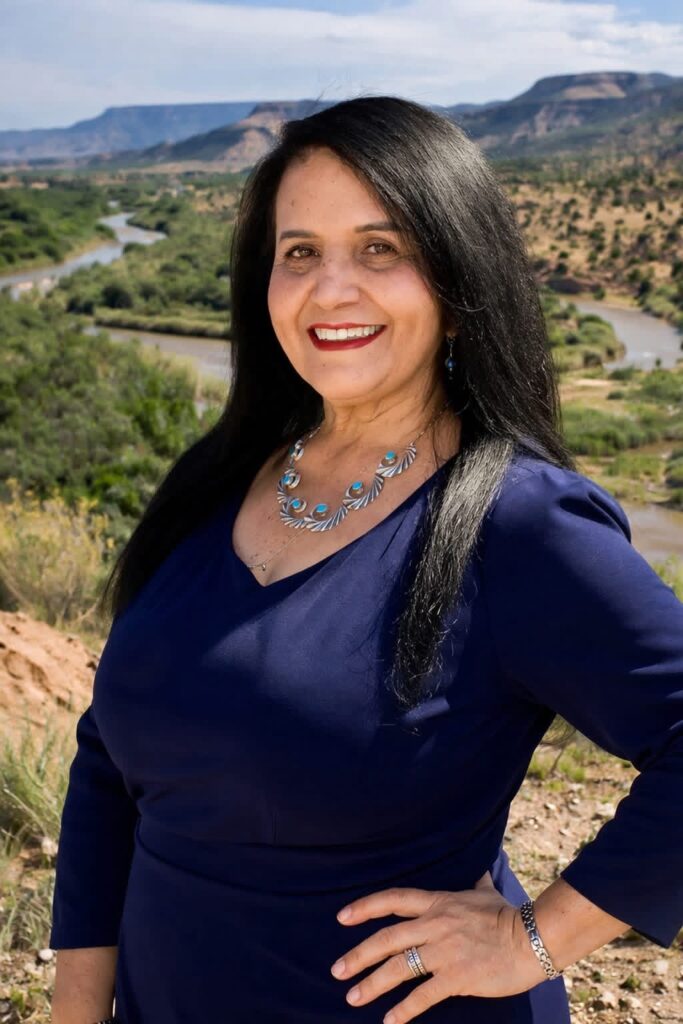
Yolanda Jaramillo, 67, was born and raised in Dixon, an unincorporated community in Rio Arriba County. Her father was an acequia commissioner and she became a commissioner on the La Acequia de La Plaza de Dixon in 2009. She joined the Embudo Valley Board of Directors and the New Mexico Acequia Association in 2010, and Gov. Michelle Lujan Grisham appointed her to the New Mexico Acequia Commission, which advises the governor’s office, in 2024.
Jaramillo has also worked as an educator at higher education institutions such as Highlands University and the University of New Mexico, as well as at secondary schools throughout New Mexico and Houston.
“I represent, I think, a new direction,” Jaramillo told Source NM. “I’m very, very dedicated in policy making. I think that’s where we make things better. And I understand the legislative process because I’ve been there as an acequia advocate.”
What is the most important issue facing HD41?
Right now, what I’m hearing across House District 41 as I visit with folks and as I, myself, know, is the economy. We need more jobs, we need a stronger support system for education and we also need it at the higher education level. Not necessarily in everyone going to college, but I foresee a dream for trades in our communities. That will certainly bring on health to our economy. If we make House District 41 the trades capital of the state, I think that will greatly improve our economy.
What is the most important issue facing New Mexico?
The economy. Everywhere throughout the state, that’s hitting us hard. Prices at the grocery store for needs, not luxurious items, but for needs. We’re having to go without a lot of our needs. We’re having to choose between a prescription and food at the table. I’ve seen people putting away grocery items when they’re at the checkout because they can’t afford. That impacts our families, our children, the nutrition.
If elected, what is the first bill you would introduce?
I think education is very important. It all starts there with early childhood. Now that we’ve got that universal child care that’s been taken care of, we need now to expand resources so that it’s successful for our families, our students and our teachers. And with that, we encompass all that’s needed in the way of behavioral health. We need to provide stability to our young people when it comes to programs and resources that are crucial to make behavioral health successful, because with healthy minds, we have healthy everything. We have a healthy economy, we have a healthy future, we have healthy relationships. And also to continue with suicide prevention in schools.
What is your top choice for committee service?
I think my top choice would be the Education [Committee]. As an educator, of course, I bring in a lot of experience. I’d like to bring in a lot of support to expand on the resources that are there for education.
Right alongside with that, I want to continue my work with acequias and land—that’s in my heart. So, of course, serving on an agricultural committee would be very, very important in support of our water, which is precious here in New Mexico.
What is your strongest skill that makes you the best candidate for the race?
My strongest skill is I’m a people person and I see people as individuals. I’m tenacious, I’m persistent, I’m loyal, I’m a hard worker. I know how to get the job done. One way or another, I will persist. If I believe in something, and I’m commissioned to look for help for a certain cause, I have no problem going to whatever level is there.
I know the process, I’ve been there at the sessions throughout the years. I feel very comfortable there at the Roundhouse. I’ve gotten to know many of our legislators, and I look forward to working with them and moving forward.
Do you support paying state legislators?
Yes, I do. And the reason for that is it offers an opportunity for working families to serve instead of making it exclusive to retired people and people who are wealthy. It’s a fair pay for serving. It involves a lot of work in the interim as well.
Debbie Rodella
Debbie Rodella, 64, was born in Española and raised in Chimayó. She has lived in La Mesilla, a census-designated community in Rio Arriba, for more than 35 years. She worked at Los Alamos National Laboratory for over 20 years, where her roles included material science tech and project manager. She represented HD41 from 1993 through 2018, when she lost the Democratic primary race to current Rep. Herrera.
Rodella also owned a bail bonding company and did some consulting work after her legislative term ended.
“I feel District 41 deserves strong, steady leadership that understands our communities, because the district is very rural [and] geographically it’s very large. And we deserve somebody that can deliver real results and has experience in proven leadership,” Rodella told Source NM. “I’ve done this work before, I’ve built relationships and I know how to get things done, so it’s no on-the-job training required.”
What is the most important issue facing HD41?
[The district] is very large geographically and mostly unincorporated, so basically economic opportunities. Quality jobs for quality pay, we need to support the small business that we do have. Infrastructure, basic needs. We have some small communities who obviously don’t have the ability to have a tax base and be able to make improvements to, say, their antiquated water systems, to their roads, or even for recreational facilities or community centers.
Access to healthcare is also important. I think the Legislature made the important first step with the medical malpractice bill that they passed, but there’s still much more to be done. It’s hard for people in rural communities to get access to healthcare, so we need to make improvements there. And investments in education. Every child deserves a quality education and I want to make sure that everyone has the resources they need to make sure they have the ability to succeed. And not only as far as academics, but also vocational and trade programs.
What is the most important issue facing New Mexico?
I think it goes hand in hand. The cost of living has increased; wages haven’t increased. People need to have a livable wage and be able to make ends meet. We need opportunities for our working families and people need to be able to earn a good living and be able to afford to live here, so that brings in housing, education and healthcare. Everything kind of ties in together.
If elected, what is the first bill you would introduce?
As I’ve been walking the district, if you will, knocking on doors, I’ve been trying to listen to constituents and find out what it is that is really concerning to them. There is nothing that stands out right now. I mean, we’ve had discussions on some of the local issues with regard to infrastructure and our acequias, the lack of water and some of those issues. So right now, I think I want to continue listening and having those conversations with constituents to see what it is that they find that would be important enough to present as a first bill.
What is your top choice for committee service?
When I was in the Legislature before, I was in leadership. I was chair of the House Business and Industry Committee, it was called back then. The name has changed now to Commerce and Economic Development, and so given my background in business, that is certainly a committee that I would like to look at. I also chaired the interim Rural and Economic Development Committee when I was there, and so I think that’s important to be able to focus on rural and economic development, especially in a rural district like District 41.
What is your strongest skill that makes you the best candidate for the race?
I believe I have the experience, I bring proven leadership, I have deep roots in the district. I’ve lived here over 35 years and I have a track record of delivering results. I understand our culture, our values, our way of life because I’ve lived it. We don’t have to start from scratch. We need someone that’s ready to lead on day one and I believe I’m that person.
Do you support paying state legislators?
I do not. When I first got elected, I knew what I was signing up for. I knew what I was getting myself into and it was a commitment that I made to represent the people and be their voice. And I felt that was part of my job in being elected and being the state representative for the area.
I know that we’re the only state that doesn’t pay legislators, but legislators are reimbursed for mileage and per diem. I think we can use that money to invest in infrastructure. I think that money would be better used in making sure that working families have what they need.
Source New Mexico is part of States Newsroom, a nonprofit news network supported by grants and a coalition of donors as a 501c(3) public charity. Source New Mexico maintains editorial independence. Contact Editor Julia Goldberg for questions: info@sourcenm.com.