By Leah Romero, Source New Mexico
In New Mexico’s House District 4, which encompasses the state’s northwestern-most corner and part of the Navajo Nation, energy is the name of the game.
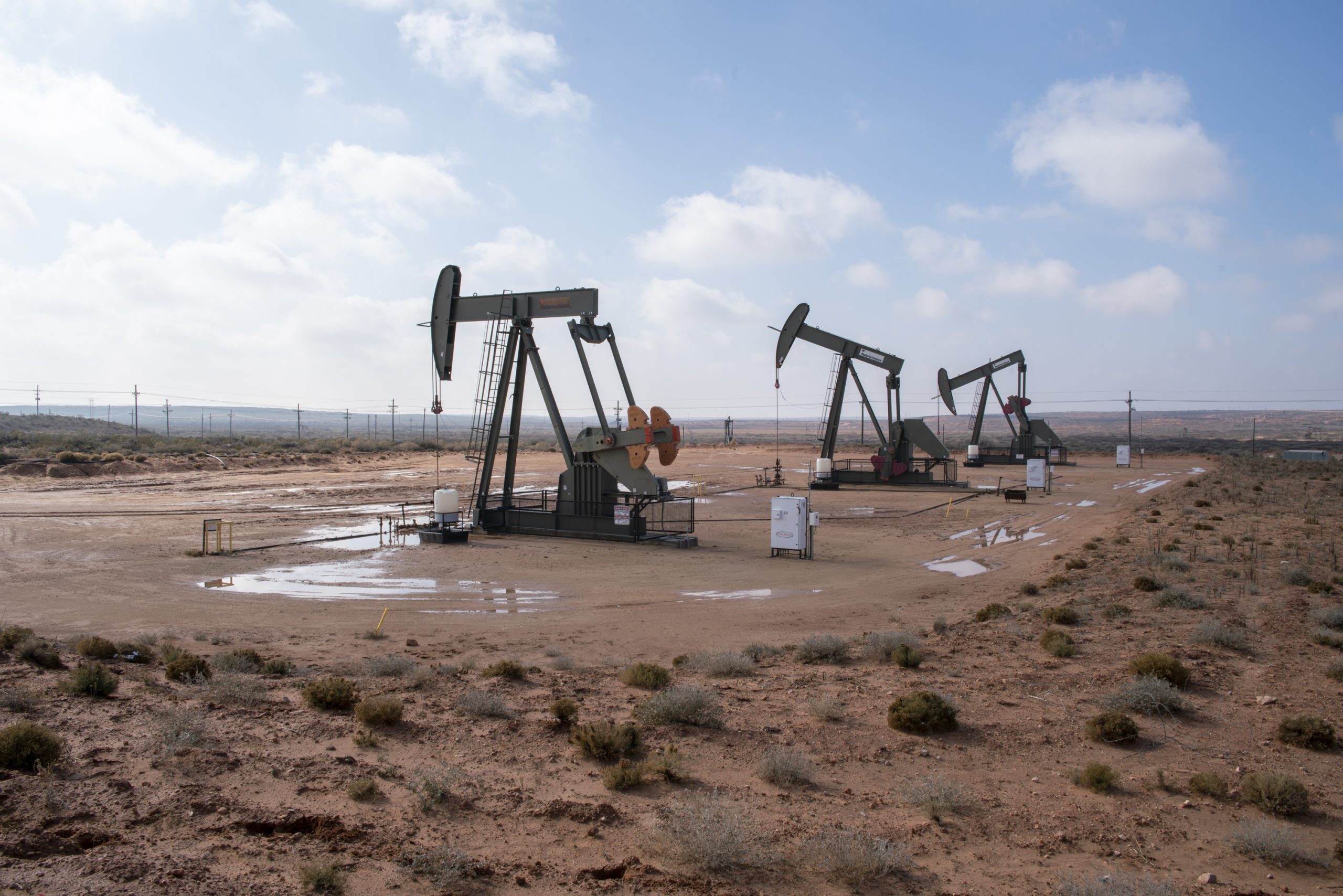
The district falls within San Juan County, encompassing a large swath of rural and native land, as well as parts of Farmington, a significant metropolitan area of the Four Corners. The San Juan Basin is a major oil and natural gas producer in the U.S. and one of the primary employers in the area.
Incumbent Rep. Joseph Hernandez (Diné) has represented District 4 since 2025 and is seeking reelection, facing Central Consolidated School Board Member Christina Aspaas. The Democratic primary winner will face Republican candidate Heather Ellison (Diné) in the November general election.
Source NM posed several questions to both candidates about their races. Their answers have been edited for clarity and concision.
Christina Aspaas

Christina Aspaas (Diné), 58, is originally from Shiprock but has lived in the upper Fruitland area for more than 50 years. She worked at the San Juan Generating Station, a now decommissioned coal-fired electric power plant, then completed her apprenticeship to become a certified journeyman electrician. She has served as a member of the Central Consolidated School Board, the same district in which she and her daughter both attended school, since 2012.
This year marks Aspaas’ third time running for election in HD4. She told Source NM that she runs for a seat in the House of Representatives in response to the state’s efforts to transition to clean energy.
“What sparked my interest further for state representative is the impacts as seeing what the school district was going through on the closures of San Juan Generating and Westmoreland mine,” Aspaas said. “Now, it is statewide and people are not realizing until after those closures or after the moratoriums…how those play a big part of funding, tax credits.”
What is the most important issue facing HD4?
Economic development. We have to stop saying no. As a people, as Navajo people, I believe for some time now we’ve listened to the wrong side and it needs to be more balanced. And right now, the progressive Democrat side is what people are listening to.
I worked for the mine 35-plus years and I keep asking and inviting the environmentalists that show up, I ask them, ‘I’ll take you around. I’ll give you a tour. You can see the facility, you can see that a lot of the positives that [companies] don’t just come in, mine and leave.’ They are very responsible and at times, leave the land better, reclaim the land better than what it was before for wildlife or livestock.
What is the most important issue facing New Mexico?
It needs to be understood that the leaders, whatever they do, whatever they decide, does filter all the way down to schools. I always point out the Kennedy report [on Indian education]…this was back in 1969 and they talked about the lack of economic development, they talked about the lack of water and electricity. But sadly, you come to the reservation, it’s still the same. And I think looking back, as I said, I was a product of CCSD, I didn’t know I was lacking as a student. I didn’t know that we were not being funded as we should have. But now that I know of these things, I certainly would want our Navajo students and, well not just Navajos but all the students that live in my community, to have the best.
If elected, what is the first bill you would introduce?
I would have to look at the impact aid. From my understanding, for each Navajo student, each one with a census number, we get say $2,500 for each student. Now we find out through organizations like [the National Association of Federally Impacted Schools] that other students that are not on reservation land, not on federal lands, they are getting something like three times or even four times [the federal funding]. It’s not equal.
I think to sum it all up, economic development goes hand in hand with education.
What is your top choice for committee service?
Aspaas told Source NM that she is interested in the House Education Committee.
I really want to find out more, research more, learn more about the [Individuals with Disabilities Education Act], special ed, handicapped students. I feel like they’re often overlooked and I really would like to bring that up.
What is your strongest skill that makes you the best candidate for the race?
I have a heart. I have a passion.
My mom, she was, within the Navajo tribe, an ONLR director, which is Office of Navajo Labor Relations. And then my dad was a Navajo craftsman who was a pipefitter by trade. Now I’m a [Mine Safety and Health Administration] certified journeyman electrician and I think the opportunities I’ve gotten through my job and being on the reservation, I would like those same opportunities to, you know, others.
Do you support paying state legislators?
I think it’s good to some point. And I really look at the school board payment. We don’t really get paid.
For me, I’m very reluctant to accept any donors because I don’t want to be obligated to anyone, and so I think that’s where I think maybe it does need to be paid. Maybe then they wouldn’t count so much on donors.
Joseph Franklin Hernandez

Joseph Franklin Hernandez, 38, was born in Pueblo, Colorado but has lived in Shiprock since moving to the Navajo Nation community as a child. A long-time community organizer, Hernandez previously worked with Naeva, Native American Voters Alliance, and told Source NM he was specifically involved with community outreach surrounding energy issues on the Navajo Nation.
Hernandez was elected to represent HD4 in 2024, and told Source NM that he wants to continue working to meet electricity, high speed internet, housing and security needs on the Navajo Nation.
“I think everything starts with ensuring that we have a good education system, a good healthcare system and of course, that there’s safety and security around housing,” Hernandez told Source NM. “The momentum is there and I really want to bring those community stakeholders together. And we’re doing that.”
What is the most important issue facing HD4?
Housing. We have people suffering from mental illness and I think the housing issue can really help identify a lot of these challenges that we have. People have a sense of pride once they have a place to call home. There’s a lot of benefits to that.
The cost of living is going up and so people are coming back to the reservation. I live on the reservation. People are wanting to come back to the reservation and live in the community, and it’s so difficult and so hard because of the challenges we have on getting [homesite leases, written agreements required on Tribal land]. I really want to bring that perspective to the state level, to see how we, at the state level, can be a partner with the Navajo Nation.
What is the most important issue facing New Mexico?
I don’t think it’s one issue. I feel like our state is unique. In different parts of our state, we have stuff that helps the state and then we have challenges as well.
Biggest thing that I feel is if you compare us to other states, other states are out there ready to go when it comes to, like for instance, the digital divide. I think that’s one area that, if we can bring attention and improvements to, could really be a game changer for the state.
The economy is really important to the state of New Mexico, and that’s critical because being a member of the [House Appropriations and] Finance Committee, I know that our dependency on oil and gas is not always going to be there. And so we just have to be prepared for that and looking at other economic opportunities around the state to help diversify that.
If reelected, what is the first bill you would introduce?
Working with the community leaders and the folks from northwest New Mexico, I really would like to get bipartisan legislation on housing that would help jumpstart affordable housing for the communities out here. Again, I definitely would like to work from a bipartisan perspective.
What is your top choice for committee service?
In the first two years on [House Appropriations and Finance Committee], I have learned so much and I want to build upon what I’m growing as a lawmaker…and being able to continue the work that’s needed.
What is your strongest skill that makes you the best candidate for the race?
I’m willing to work with other people. It doesn’t matter if you’re from the opposite party. And also just my experience, my knowledge. I understand how this whole process works. This is my second year right now and I’m really understanding the whole process and I’m bringing people along with me.
Do you support paying state legislators?
Yes, it is something that’s needed. Our Constitution is like 100 years old and times are different from when our Constitution was first created. And I feel like this needs to go to the voters. The voters deserve this opportunity to tell us whether or not [legislators should be paid]. I hope the voters do choose to have a paid Legislature because we should have legislators that represent the communities.
Source New Mexico is part of States Newsroom, a nonprofit news network supported by grants and a coalition of donors as a 501c(3) public charity. Source New Mexico maintains editorial independence. Contact Editor Julia Goldberg for questions: info@sourcenm.com.